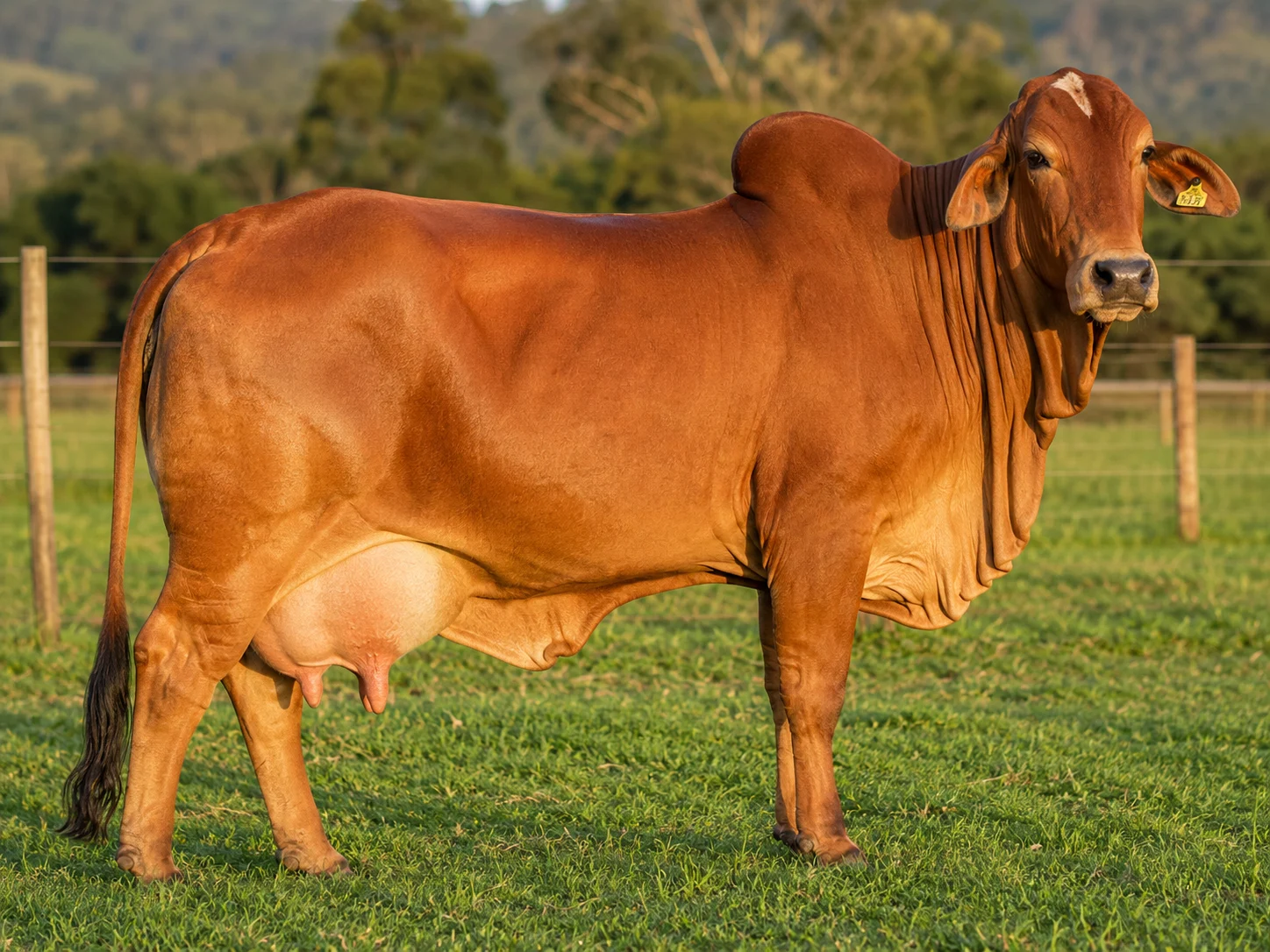
How much is a Sahiwal in Kenya?
A Sahiwal animal in Kenya costs roughly KES55K to KES196K ($425–$1,525) in 2026, depending on weight, age and season. All figures are per head in KES (KES). Young stock anchors the low end, typical medium adults change hands around KES91K–KES131K, and top-condition Sahiwal fetch KES137K–KES196K. With bulls at 450–550 kg and cows at 350–450 kg, frame and finish decide the final number. Use this as a benchmark, not a quote, and always check on the ground.
What drives Sahiwal prices in Kenya?
A favourite for dairy improvement, the Sahiwal commands a premium where smallholders cross it for hardy milk production, anchoring its price to dairy demand.
Milk output and dairy demand, not carcass size, set its value. At the country level, Kenya's Sahiwal market is shaped above all by the split between commercial ranch pricing and pastoral sales, export demand for quality animals, drought cycles that periodically tighten supply. Disease status matters too: foot-and-mouth disease is endemic, which keeps the country out of premium export markets and can freeze trade during outbreaks. Over the past year, Kenya cattle prices have moved +22%, an upward trend that has carried this breed with it. The Sahiwal's natural resistance to anaplasmosis also lowers its cost of keeping, which buyers in affected areas will pay extra for.
Sahiwal prices by market in Kenya
Two tiers run side by side: commercial auctions near Nairobi at the top, and the pastoral markets of the arid north — Garissa, Lodwar — at the floor. Among the markets to know are Dagoretti Market, Garissa Livestock Market. Wherever you buy, the same rule holds for the Sahiwal: markets close to where the animals are raised are cheaper, and the price climbs with every kilometre and middleman on the way to the cities. Browse the full Kenya market directory to match this breed to the right selling point, and the Kenya price overview to see how the Sahiwal compares with other breeds traded locally.
Best time to buy or sell a Sahiwal in Kenya
Demand for Sahiwal strengthens before Eid along the coast and northeast, and Christmas, especially in the areas that observe them. On the supply side, the long dry spell from June to October thins out condition and triggers distress sales, dragging prices down at exactly the wrong moment for sellers. So the playbook is simple — offload a Sahiwal into the pre-festival rush, and pick one up during the quiet, oversupplied months. Our Eid price-surge guide and dry-season strategy map out the calendar in detail.
Is the Sahiwal a good investment in Kenya?
Because Kenya prices have climbed +22% this year, a sound Sahiwal has gained value on paper, and its dairy earnings add an income stream on top of any appreciation. Whether it pays depends on your costs and discipline more than the breed alone. Test the economics with our tools — the breed ROI comparison, the feedlot profit calculator, and the cattle-as-asset model all use Kenya figures. To track what your animals are worth today, value them with the free herd valuation tool, and if you want your herd to earn a structured return, explore the CattleBank model.
Sahiwal in Kenya: frequently asked questions
How much is a Sahiwal bull in Kenya?
A mature, prime Sahiwal bull in Kenya sells at the top of the range, roughly KES137K–KES196K ($1,525 at the upper end) in 2026. Younger or lighter bulls cost less; the exact price turns on weight, condition and season.
What is the most expensive Sahiwal in Kenya?
Top prices go to heavy, prime Sahiwal (and registered stud stock where it exists), which can hit KES196K and beyond, peaking around Eid along the coast and northeast.
Where can I buy Sahiwal cattle in Kenya?
Look to markets such as Dagoretti Market, Garissa Livestock Market, and buy nearer the source for the best price. See the full Kenya market directory for trading days and locations.
Is the Sahiwal good for dairy?
The Sahiwal is a dairy breed. Buyers price it on litres of milk and dairy demand rather than meat. Key dairy improvement zebu in East Africa.